
What to check
The point where it stops can be generated from a random system or a published verification scheme. The existence of a verification label does not tell you the distribution or when a higher result is due.

What an outcome check actually verifies
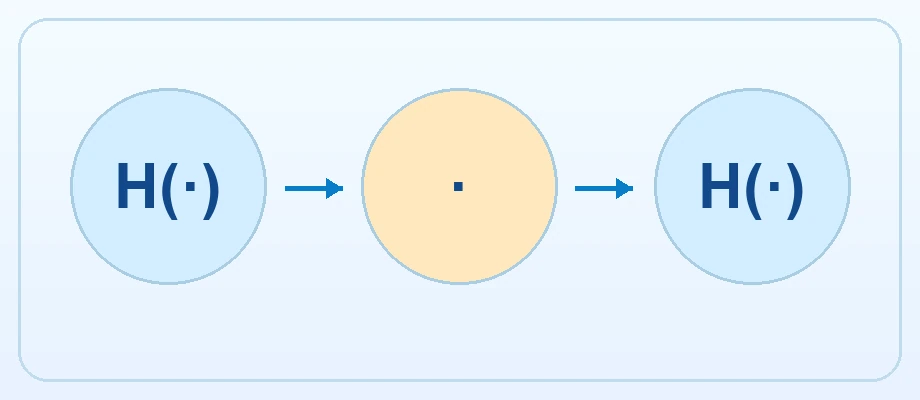
A cryptographic verification scheme may publish a commitment before a round and later provide inputs for reproducing the recorded result. That check concerns a specific result and scheme.
Read the full explanation
It cannot establish the advertised expected return on its own, and it is separate from the time when the account accepted a cash-out request.
Read the commitment and cash-out in order
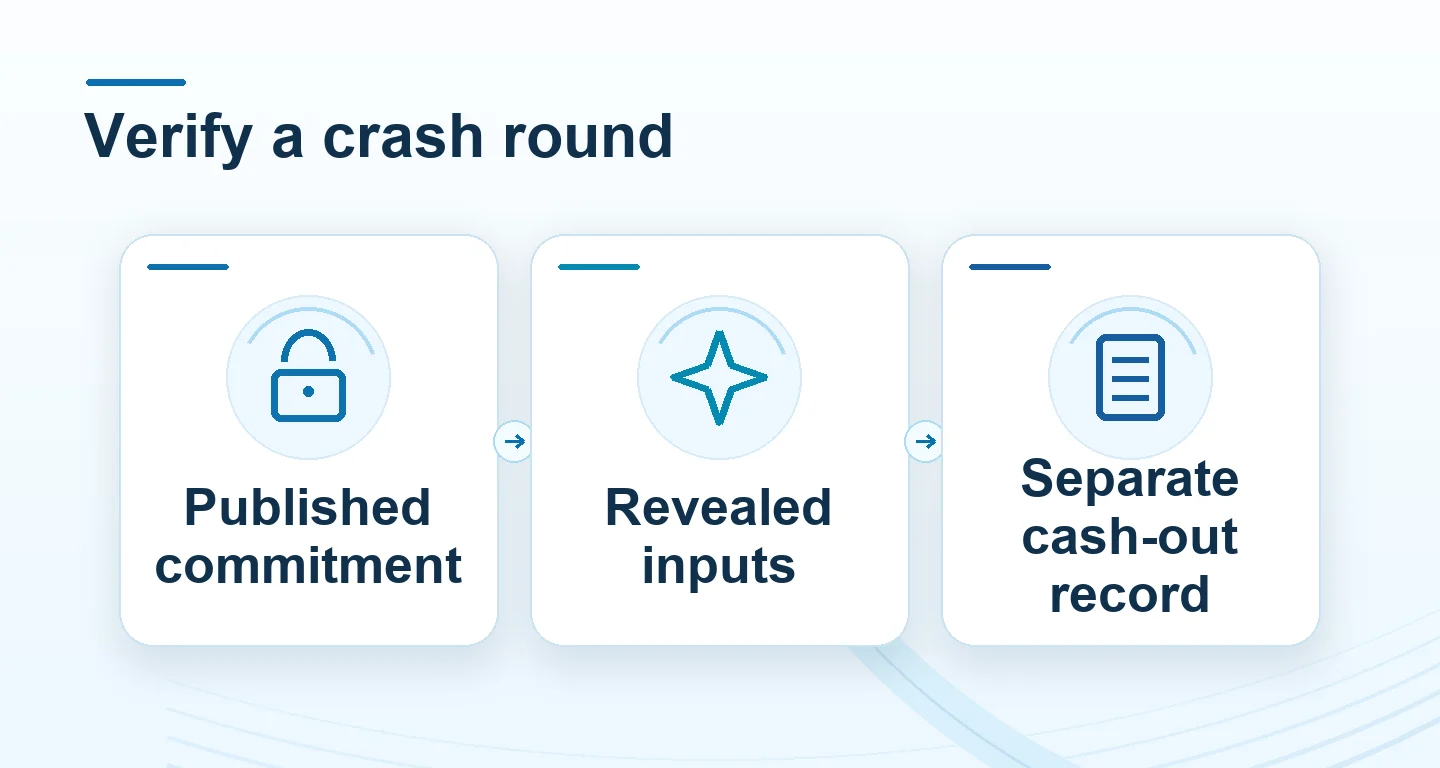
A verification scheme can publish a commitment before the round, then reveal the inputs later. A reader can use the published method to see whether those inputs reproduce the committed result.
Read the full explanation
Check what the game says happens before the round and record which values it reveals afterwards.
Use a separate timeline for your account. Imagine you request a cash-out while the display reads 1.40×. The game stops at 1.45×. Find the accepted cash-out status and its recorded multiplier. The display at the time of your tap does not establish that the request arrived before the round ended.
A distribution can contain many low values
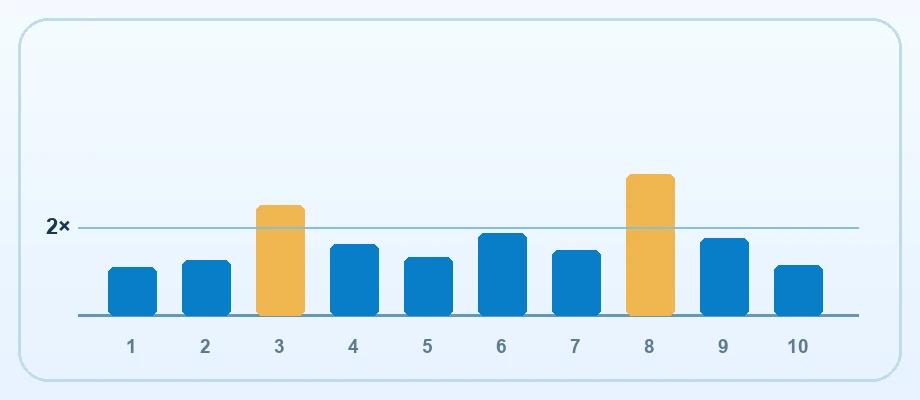
In an illustration, a game could produce eight results under 2× and two at or above 2× in ten rounds. That sample describes those ten results. It cannot tell you the multiplier on round eleven.
Read the full explanation
The distribution, payout calculation and cash-out rule answer different questions, so read the published rules for each.
How to use the record
For an independent sequence, several low results in a row do not change the next round’s distribution. Save an actual round identifier and the named product’s rules to understand a dispute. Read separately how a cash-out request is recorded, what happens after a disconnection and how the game describes its long-run return.