
Identify the wheel and the complete table name
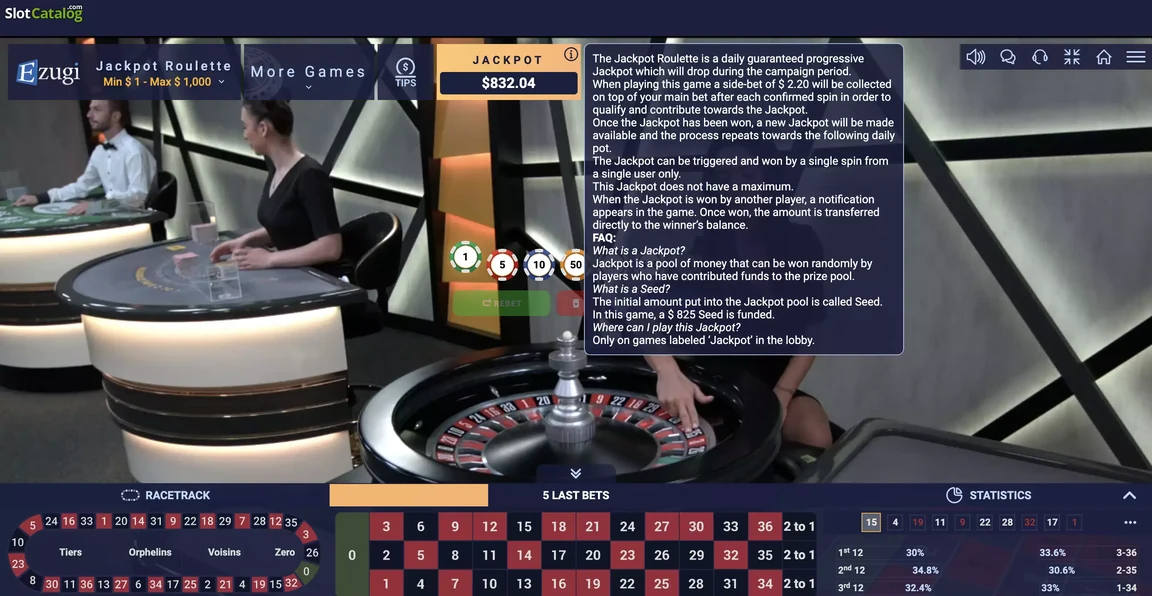
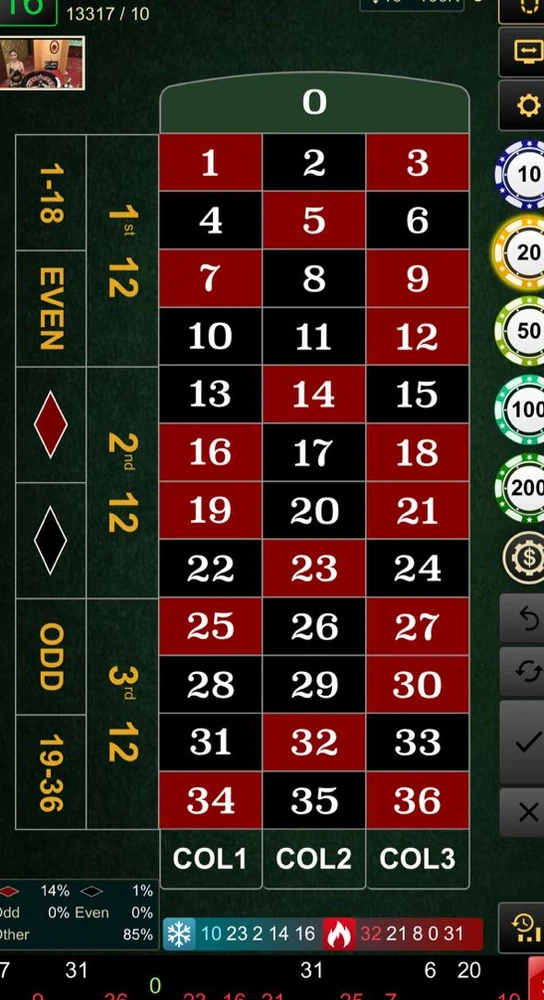
Roulette is a family of table formats, not one universal payout screen. Ordinary single-zero roulette has numbers 1–36 and one zero, giving 37 pockets. A double-zero wheel adds 00, giving 38.
| Format | Wheel comparison | Rule to identify |
|---|---|---|
| Ordinary single zero | 37 pockets: 0 and 1–36 | Zero treatment and paytable |
| Ordinary double zero | 38 pockets: 0, 00 and 1–36 | Both zero pockets and paytable |
| Multiplier or special variant | Use the selected product’s layout | Base payouts, fees and feature conditions |
Read the full explanation
Read the full table title, wheel layout and rules before comparing an accepted result. A multiplier or special-rule variant can change the base payouts or the treatment of zero.
Winbox’s provider guides help identify the product; a familiar roulette image alone is not enough to establish the version or its rules.
A chip total is different from one selected number
A straight-up selection covers one number. Split, street, corner, dozen and outside selections cover other combinations under the chosen table’s rules. A neighbour or favourite control may place several chips with one action. Read the combined accepted amount, not just the value on the currently highlighted number. For example, four separate RM2 selections total RM8 for that round.
Keep the accepted selection labels if some entries are rejected or changed before the window closes. A draft chip arrangement is not proof that every part entered the round.
Read “to one” as profit before adding the stake
In an ordinary 35-to-1 straight-up example, a winning RM2 stake produces RM70 profit plus the RM2 stake returned, or RM72 received in total. A 1-to-1 winning RM2 selection instead produces RM2 profit and RM4 total returned.
 How to read a live-casino round and its record
Read the full explanation
These are arithmetic examples for the stated ordinary payout conditions, not a Winbox table limit or a promise for every roulette variant.
Check whether the history displays profit, total return or balance movement before comparing figures. If there were other losing selections in the same round, include those when calculating the round’s net change.
Zero is not part of red or black
On an ordinary single-zero wheel, red and black each cover 18 of the 37 pockets; zero belongs to neither. That is why an ordinary red/black selection is not a 50–50 event merely because the screen presents two large colour areas.

Read the full explanation
Special zero-return rules must be read separately. Recent results do not remove the zero pocket or make the opposite colour due on the next independent spin.
Increasing the next stake changes the amount exposed, not which pockets the selection covers. The stake-progression guide shows how that exposure can grow.
Keep a roulette query tied to its accepted round
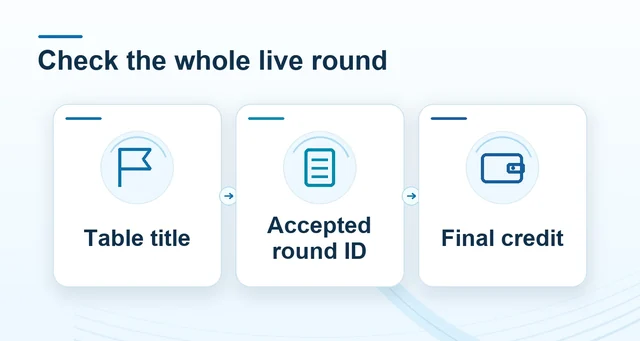
Record the provider, table variant, round identifier, accepted selections, total amount, displayed currency and completed result. A frozen video and a missing settlement are separate observations.

Read the full explanation
Check the original record before making another selection to test the connection. For KingMidas Poker Roulette or Triple Chance, use the product’s own card-wheel or number-wheel rules rather than this ordinary roulette comparison.
Keep account-payment references separate from game-round references, and use Winbox support if the selected rules and recorded calculation still do not agree.
Questions, answered
Why can a roulette payout exceed the profit shown in history?
A total return can include the original stake as well as profit. In the stated RM2 at 35-to-1 example, RM70 is profit and RM72 is total returned. Check the history label and any other accepted selections before comparing a whole-round balance change.