
What to check
The visible choice and the power indicators belong to the specific duel sequence. Read what the edition’s help says activates the duel, what each option controls and whether an award is determined separately.
Distinguish Mini Janken from the later duel
The documented Mini Janken and the character duel serve separate roles in the game. Keep a screenshot of the name of the active stage alongside the choice you made.


Read the full explanation
A character’s displayed score can identify progression in that stage without establishing the value of a later feature or the final cash credit.
Put the stages in the order shown in Help
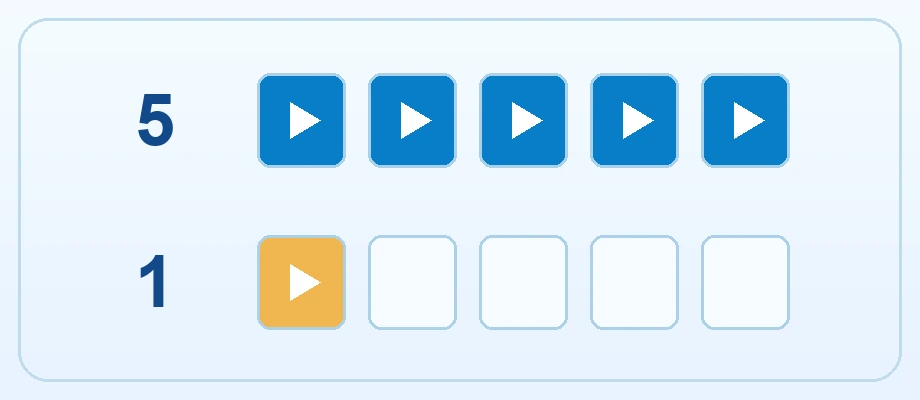
PG Soft’s dated Hood vs Wolf rules describe different behaviour for the Hood and Wolf features. In the 2.4.r190 rules, the Hood feature uses a five-frame sequence and the Wolf a one-frame sequence.
| Stage | What the record can show |
|---|---|
| Character selection | Which character was selected and the duel sequence that follows |
| Mini Janken | The separate rock-paper-scissors feature and its result |
| Duel and power bars | The state of the two characters and how the score changes |
| Transformation or free spins | The activated feature and the part of the credit it produces |
Read the full explanation
Keep those frame counts with the stage name. They do not label the payline count or free-spin award.
Read the line map for the opened edition before checking a symbol outcome. If the display changes between Mini Janken and a character duel, use the round history to find the final award. Keep a screenshot of the stage name and final record if the game’s Help and the display seem to disagree.
How to use the record
When replaying a completed round, distinguish the original accepted stake from free rounds awarded later. Record the character choice, the trigger and the final credit as separate details. The visual progress meter by itself is not a payout or an indication of the next game’s probability.